Routes

About Rail in United States
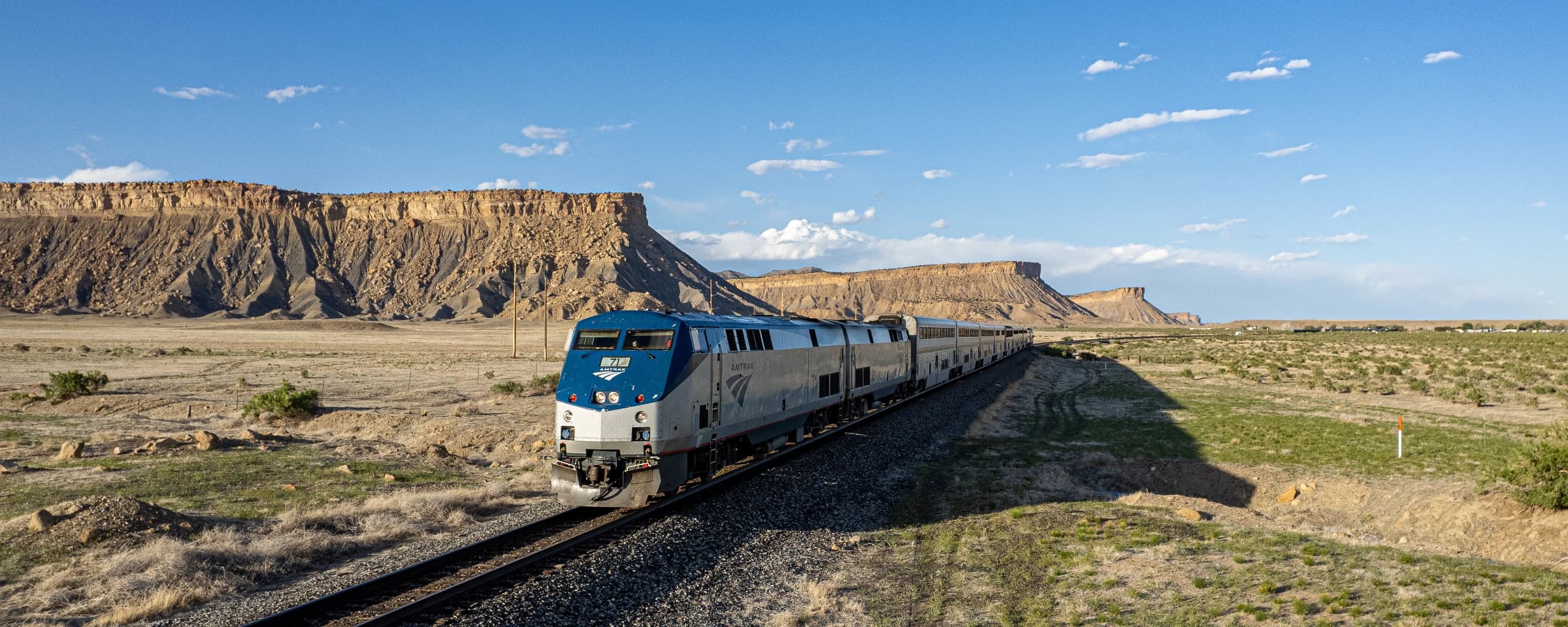
The United States rail network relies on Amtrak as its primary operator for intercity and transcontinental passenger service. Spanning 46 of the lower 48 states, the system connects approximately 500 destinations.
While domestic travel in the U.S. is heavily weighted toward planes and interstate highways Amtrak provides a lesser known standarized rail network. From a logistics standpoint this unified operation simplifies ticketing provides a more consistent onboard experience coast-to-coast. Passengers should calibrate expectations however, Amtrak operates as a government-subsidized transport service providing functional and capable transit rather than a luxury product.
Transcontinental and Long-Haul Corridors
Amtrak operates around 15 long-distance overnight routes which serve as the backbone of its cross-country network. These multi-day journeys use specialized Superliner or Viewliner rolling stock equipped with sleeping accommodations, dining cars, and sightseer lounges to navigate extreme geographical distances.
Key transcontinental routes include:
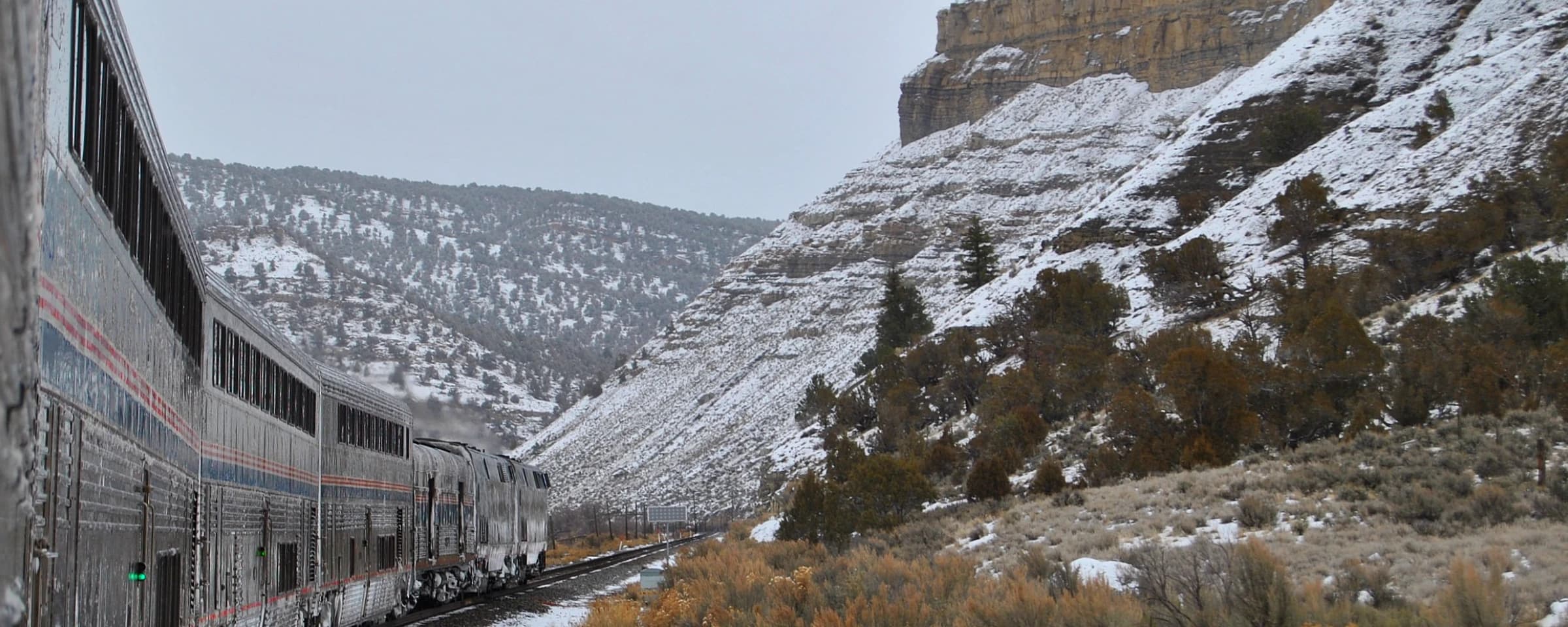
- ▪California Zephyr: A two-night transit between Chicago and San Francisco, engineered to navigate the steep gradients of the Rocky Mountains and the Sierra Nevada.
- ▪Empire Builder: A northern corridor service connecting Chicago to Seattle, with waypoints routing directly through Glacier National Park.
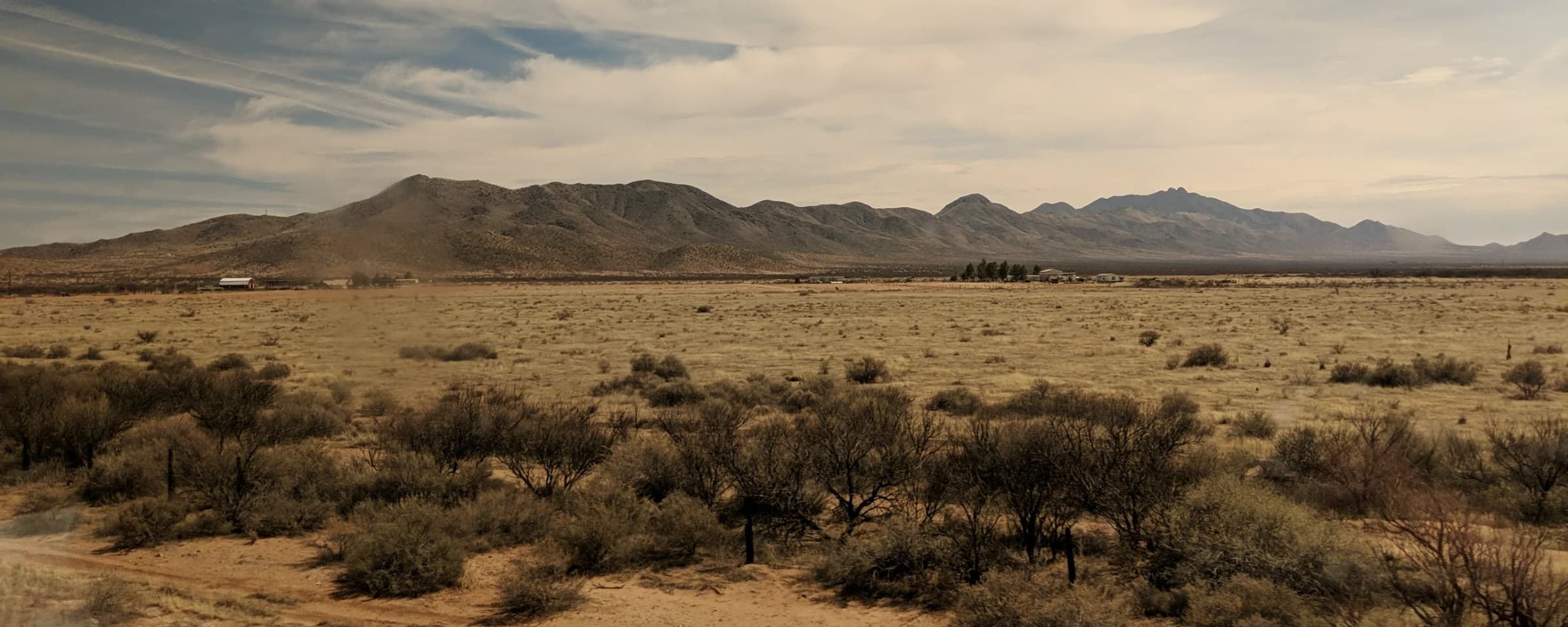
- ▪Southwest Chief: A high-speed, two-night service spanning the high deserts between Chicago and Los Angeles.
- ▪Sunset Limited: The southernmost transcontinental route, connecting New Orleans to Los Angeles over a 45-hour schedule.
- ▪Coast Starlight: A Major north-south services on the West Coast connecting Los Angeles and Seattle.
Upgrading to sleeper (Roomettes or Bedrooms) on these routes includes fixed-menu dining and access to dedicated facilities.
Regional and Intercity Transit
For transit ranging from a few hours to a full daylight schedule, the intercity network offers various connections across the U.S. while providing a great way to see more of the country while snot needing to sleep on the train. These routes bypass highway congestion and provide efficient city-center to city-center logistics.
North East Corridor
Amtrak's busy north-east corridor is the spine of the U.S. network connecting Boston, New York, Philadelphia, and Washington D.C. This corridor operates the Acela which is Amtrak's only high-speed service capable of speeds of up to 150 mph (240 km/h). This high speed train operates alongside the slower although more frequent Northeast Regional service. For travel within this corridor the train provides strong competition over flights and on both overall travel time and convenience.
Cross Border with Canada
Amtrak operates three cross-border international services that travel into Canada:
- ▪Amtrak Cascades: Operating in the Pacific Northwest, connecting Eugene, Oregon, to Vancouver, Canada.
- ▪The Maple Leaf & Adirondack: Key international services linking New York City with Toronto and Montreal, respectively.
Independent and Specialized Operators
Outside the Amtrak system, several independent railways operate specialized equipment for distinct geographical zones. These are purpose-built operations rather than standard point-to-point transit.
- ▪Alaska Railroad: Operates across the state's extreme terrain as a tourist train. Summer passenger operations include the Denali Star (Anchorage to Fairbanks) and the Coastal Classic (Anchorage to Seward).
- ▪Grand Canyon Railway: A dedicated heritage line providing daily round-trip service between Williams, Arizona, and the South Rim. The 2.25-hour transit efficiently mitigates vehicle congestion within the National Park.
- ▪Rocky Mountaineer (Rockies to the Red Rocks): A premium, daylight-only service operating between Denver, Colorado, and Moab, Utah. This is a high-cost luxury product prioritizing onboard service and scenery over transit speed, requiring an overnight hotel stopover.